Most Entrepreneurs Measure The Wrong Numbers
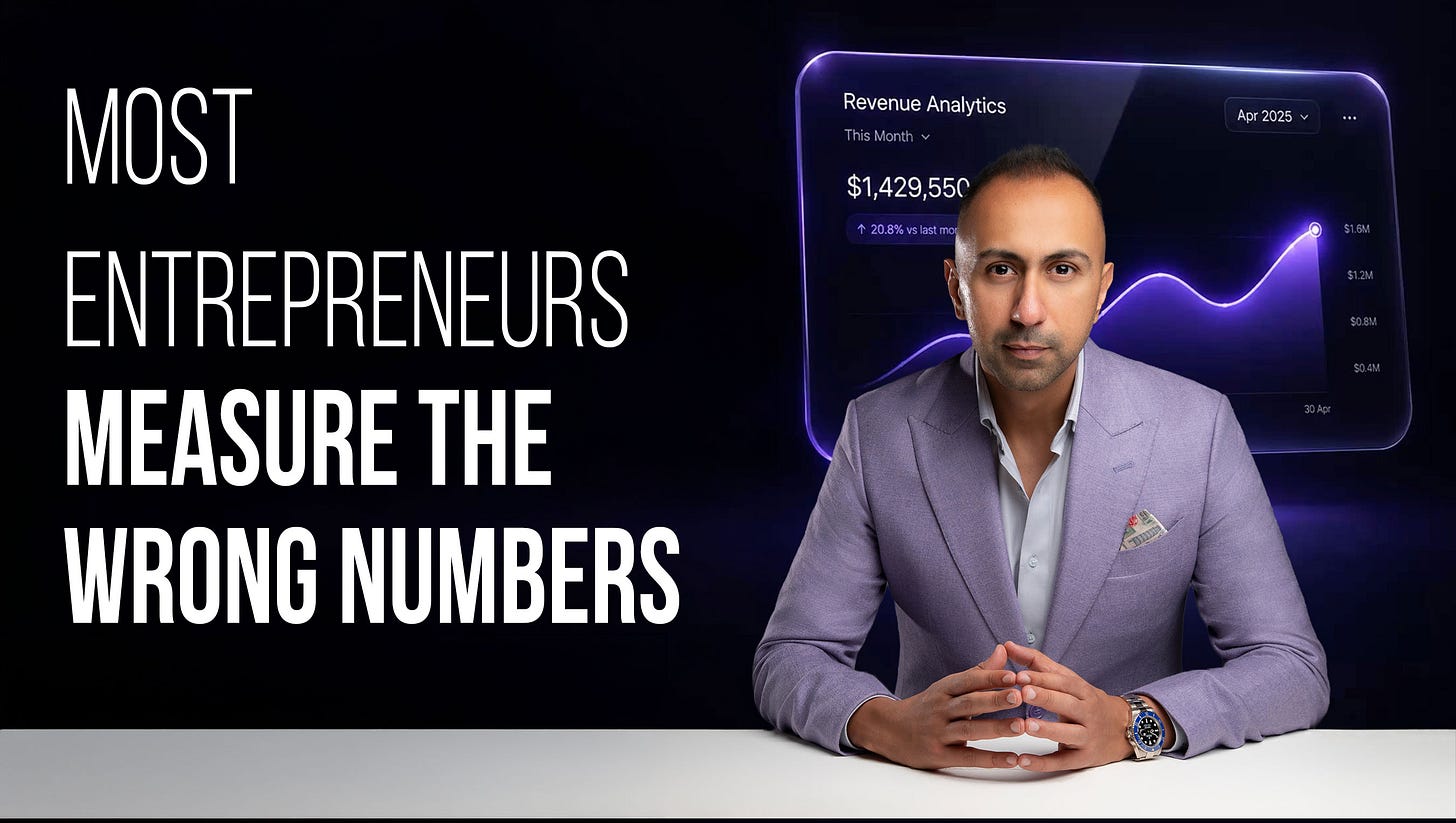
Last month I met one of the founders I mentor. I was extremely happy to see him excited about the business he once thought was failing. When I asked him about how the business is going, he paused to open his laptop.
He never mentioned a single word. Statistics looked perfect. He was boasting about his increase in revenue, how his website traffic had almost doubled and his latest campaign which brought him the most success which generated thousands of new visitors.
He scrolled through the dashboard with the satisfaction of a founder watching his business grow in real time. When he finished, I asked him a simple question. “What do you think these numbers are actually telling you?”
He was flabbergasted. Much to his dismay, he saw I wasn’t impressed. This conversation stayed with me because I’ve seen enough versions of it all the time.
Entrepreneurs today have access to more information than ever before. They can track every click, every customer journey, every marketing campaign and every conversion. Dashboards have become more sophisticated, reports are more elaborate and analytics are more accessible.
In most startups and entrepreneurs who were way more invested in the numbers than they should, I saw one pattern. The numbers would have told them what happened. But, they weren’t able to tell them why it happened or inform them of the next steps they should ideally take.
Somewhere along the way, the world of entrepreneurs has started believing that if we could measure everything, we would understand everything. No, we don’t. My background in finance and building businesses have taught me one thing: numbers don’t create understanding. They simply describe what has already happened. The real danger is when someone believes that these numbers can replace judgement.
Take two coffee shops scoring AED 30,000 in monthly revenue. On paper, their numbers look identical. But, the number itself is flawed. Because, one business generates that revenue from a single corporate catering contract that expires next month while the other earns it from hundreds of customers who return every week.
The dashboard would look at both businesses in the same way. The real danger is you wouldn’t know the whole story from outside, and you wouldn’t know what metrics will exactly help you grow your business, because metrics look promising.
An experienced entrepreneur knows better. Every number is a summary. The question is whether you are understanding the story it is summarising. Because, revenue without customer quality tells you very little, while customer growth without retention tells you even less. Higher margins achieved by sacrificing customer trust may improve this quarter while quietly damaging the next five years. The number is true, but often our interpretation solely based on numbers isn’t complete.
What I’ve noticed is this becomes even more dangerous during uncertain times. When markets slow down, or face uncertainties, founders don’t usually respond by making faster decisions. They start demanding more information. They will keep asking for reports, forecasts and dashboards which will simply won’t help with your decisions.
After all, we can criticise the leader for wanting more data. But, years of seeing this, I’ve realised the founders are asking for more data hoping to distribute the responsibility of making a decision that could make or break their business. The founder is looking for an alibi in data. It is the moment some founders hand over their value and judgement to a database.
Over the years, I’ve started asking myself three important questions before reacting to any important number.
First, do I understand the story behind this number?
Before celebrating higher revenues, I would ask where it came from. Was it one exceptional client, or a sustaining income zone. Until you understand the story behind the number, the number is a mere headline.
Second, would I make the same decision if this number didn’t exist?
It’s a question that grounds your thinking. If removing one number on the dashboard completely changes your confidence in the decision, maybe you have been relying on the number more than your own understanding of the business.
Finally, what is this number hiding?
Every metric shines a light on something, but it also casts a shadow on something else. Higher profits may be hiding declining customer trust. Rapid growth could probably hide operational strain. The best in the business asks what a number conceals.
Today, businesses won’t ever suffer from a shortage of numbers, but it will suffer from a gap in understanding. The entrepreneurs who build enduring businesses develop the judgement to know when the data is enough, when it isn’t and when the decision simply belongs to them.
So here’s what I want you to sit with this week: The next time a number on the dashboard tells you something important, ask yourself a different question: Do I understand the story behind this number?
Numbers do a lot of things. What it can never do is make the decision for you, or carry the weight when it goes wrong.
That part was always yours.