If You’re the Tallest Person in the Room, You’ve Built It Wrong.
When you build a business, it is easy to measure growth through revenue, customers, offices, or the size of the team.
There is a better kind of growth you should rather measure.
What happens to the people inside the business?
Imagine someone joining your company with a small role. A year later, they are handling decisions you once made yourself. They are solving problems without waiting for instructions. They are helping someone newer learn the same things they once had to learn.
That is growth too.
And over time, it creates something every growing business needs: capacity.
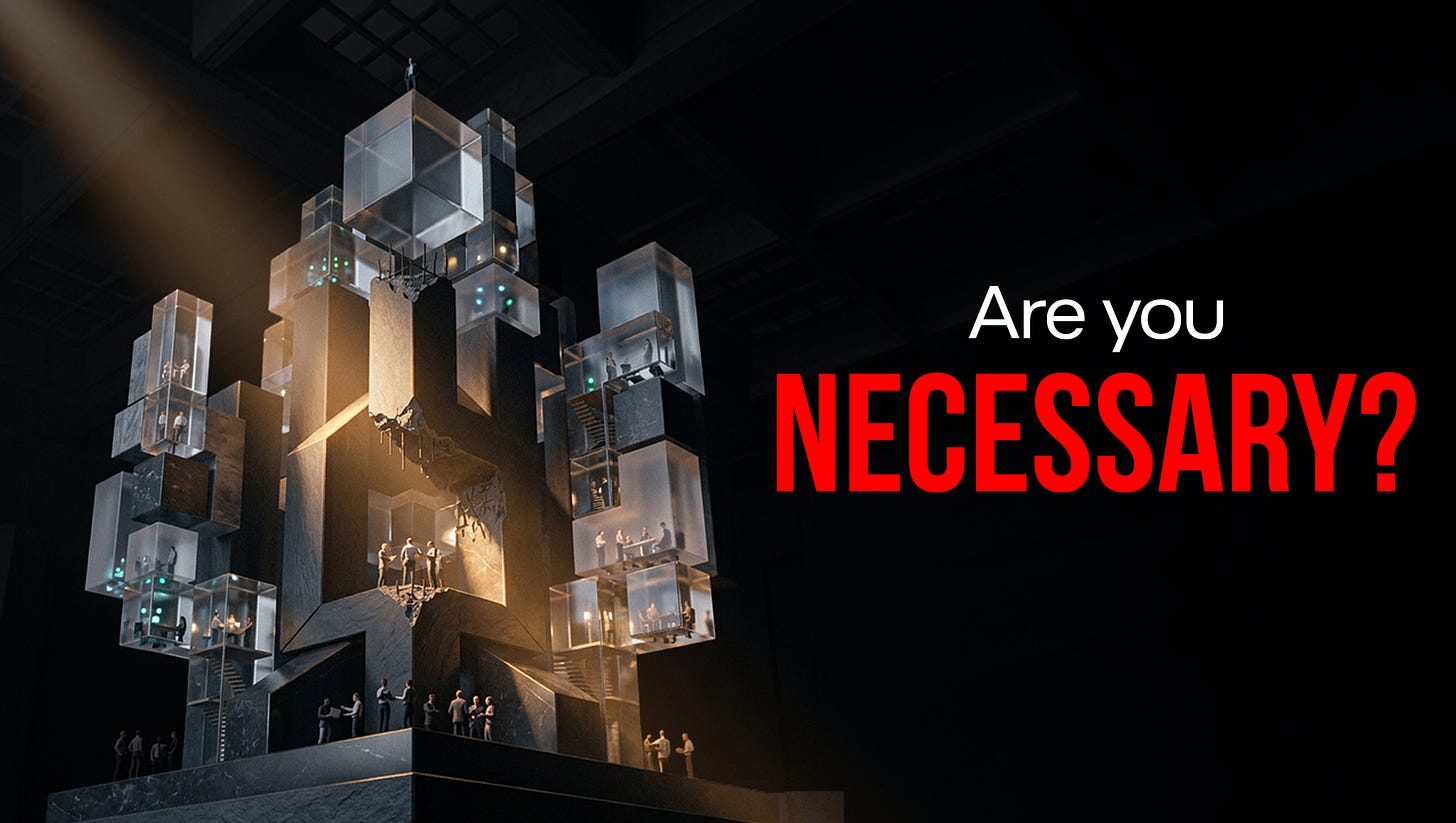
I have always believed that one of the most important things a founder can do is eventually fire themselves from their own business. I even use a six-month mark as a personal KPI for new businesses: how quickly can I make myself unnecessary?
I think the same idea should extend to the people you bring into the business.
If you hire someone to do a job, spend years helping them become better at it, and then keep them confined to the same role, you are leaving a lot of that growth unused.
The role should be where someone starts. It should have room to become something bigger.
I saw this when an employee of mine started building a beverage business in India while still working with me. When I found out, my reaction wasn’t to ask him how he could balance both. It was: Why are you still here? Why aren’t you going all in on it?
That is what a good environment can create.
Because, in it someone learns something from you, becomes capable of doing more, creates more capacity, and eventually creates that same opportunity for someone else.
It starts to compound. And that changes the way we should think about building teams.
Give people problems slightly bigger than what they have handled before. Let them make decisions. Give them ownership. Let them teach others. When someone becomes capable of something bigger, give them the space to use it.
The benefit even comes back to the business.
A person who once needed three conversations to make a decision can eventually make it themselves. Someone who once came to you with a problem can eventually solve it and help someone else solve the next one. A team that once depended on one person can begin to carry more of the business on its own.
The environment becomes stronger because the people in it keep getting stronger.
But there is another side to this.
If everyone around you is growing, you have to keep growing too.
Your people will develop new skills, take on bigger problems and become better at things you once handled yourself. That should create opportunities for you to move into bigger questions too.
If the business keeps expanding while you remain at the same level, eventually you can become the ceiling of the environment you built.
That is why I don’t think a great company should be measured only by what its people achieve for the company.
Look at what being part of the company has allowed them to become.
Who is doing something today that they couldn’t have done a year ago? Who is making decisions without you? Who is now helping someone else grow?
And perhaps most importantly, what have the people around you forced you to become better at?
Because a good environment should make everyone in it a little more capable than they were when they entered it.
The person who joined last year should be capable of more today. The person who was managing a team should eventually be ready to build one. And the founder who built the environment should have grown with it too.
That is when a business develops a different kind of strength.
You aren’t trying to remain the person everyone looks up to.
You’re building a room where everyone has enough space to grow taller.
And if, after years of building it, you’re still the tallest person in the room, you may have built the room wrong. If so, start afresh.